






“Natural gas is a critical energy input for greenhouse vegetable production for which there is currently no viable large-scale alternative.”
– Evan Smith, Sustainable Infrastructure Development Lead at the Ontario Greenhouse Vegetable Growers.
By Graham Chandler
“While some growers utilize biomass as a supplemental or backup heating source, its availability and costs can be prohibitive, particularly at the scale required for year-round greenhouse operations,” says Smith. However, he adds, the sector is exploring emerging alternatives such as biogas and hydrogen blending as longer term options in order to reduce its carbon footprint.
And these emerging renewable options do hold promise. Biogas is a renewable fuel produced when organic materials are broken down by bacteria in an oxygen-free environment through anerobic digestion, allowing energy to be recovered from organic waste streams. But current biogas production remains limited in scale and so cannot meet the full energy demands of greenhouse operations. Similarly, hydrogen natural gas blending holds potential to reduce fossil fuel use, but the necessary infrastructure and supply chains are still in early stages of development.
“In summer, natural gas remains the key enabling fuel that has allowed greenhouse agriculture to produce fresh vegetables year-round, including in climates where outdoor production is limited or seasonal,” continues Smith. “Access to affordable and reliable natural gas enables growers to maintain the consistent environmental conditions required for successful crop production, including precise control of temperature and humidity,” says Smith.
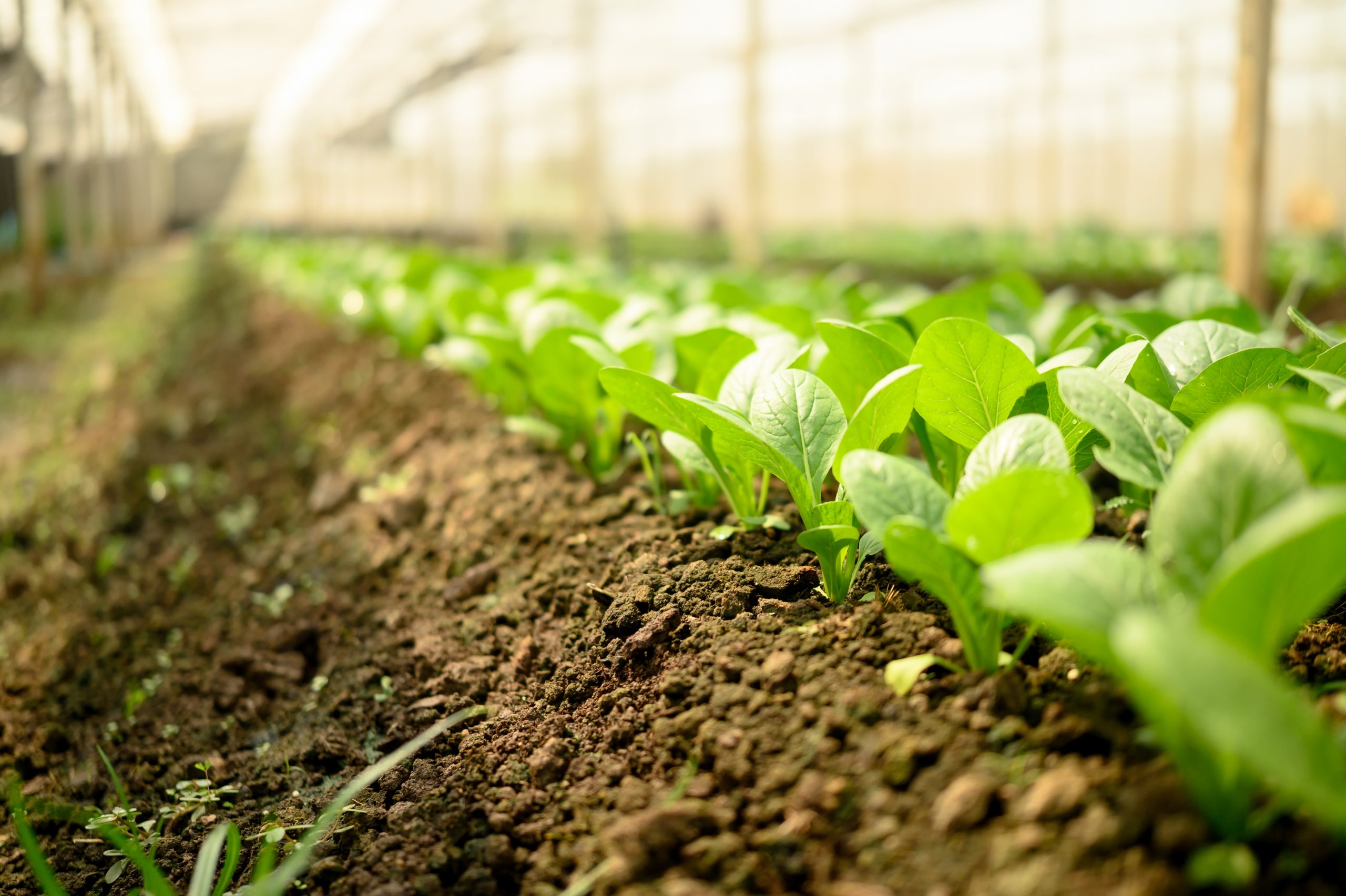
“During winter months, natural gas is used primarily to provide heat essential for healthy plant growth. In the summer, the controlled heat generated by natural gas systems helps dry the crop in the morning, reducing excessive humidity that would otherwise increase disease pressure and negatively affect crop health and productivity.”
So, without access to natural gas, winter greenhouse production would be at best uncompetitive, and fresh produce during colder months would need to be imported from southern growing regions says Smith–thus energy costs for greenhouse production would increase significantly in the absence of natural gas, undermining the competitiveness of Canadian-grown greenhouse vegetables in both domestic and North American markets. So continued access to affordable natural gas remains essential to maintaining food security, supporting local production, protecting investments, and enabling the sector to pursue realistic pathways in order to reduce our carbon footprint over time as workable alternative energy solutions mature.
Smith came into his position in December 2025, joining as the Sustainable Infrastructure Development Lead, assuming responsibility for key files supporting the sector’s sustainability objectives, growth, and long-term energy needs. He holds a Master of International Public Policy degree from the Balsillie School of International Affairs at Wilfrid Laurier University, where he specialized in economic relations and participated in the Global Political Economy and STEM for Resilience research clusters.
During his graduate fellowship, Evan co-authored a policy brief examining the future of critical minerals in Canada, which was submitted to Global Affairs. His previous experience includes serving as a Program and Policy Assistant at the Ontario Ministry of Transportation, where he supported the rollout of the Automated Licence Plate Renewal program and contributed to the development of fraud policy and procedures. He also led a research team at the New Brunswick Institute for Research, Data and Training examining the implementation of the National Housing Strategy in New Brunswick.
The future
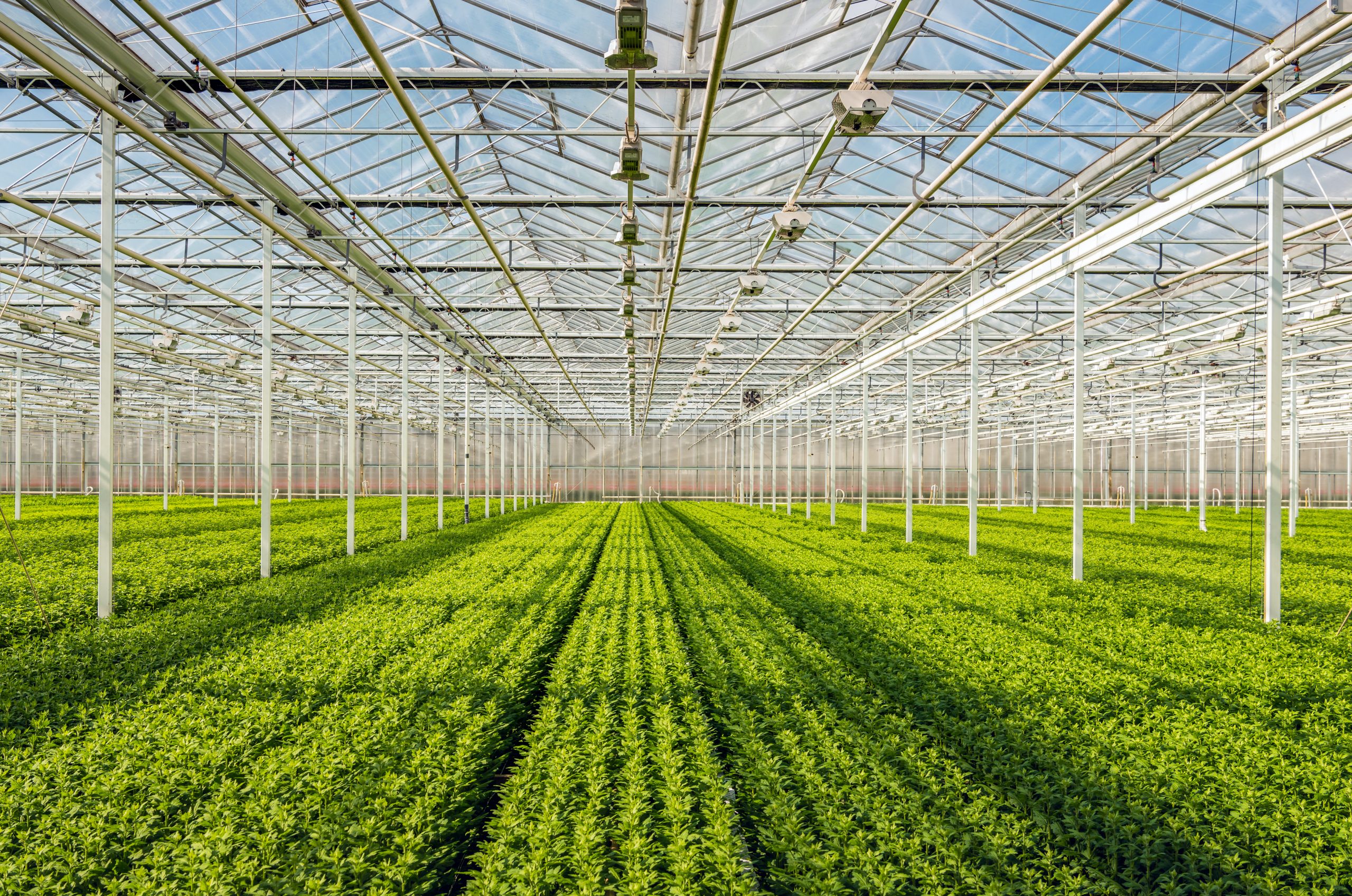
Smith says he expects the Ontario Greenhouse Vegetable sector to continue growing at a rate of approximately 5% annually, a trend he feels will result in a steadily increasing energy demand across the sector. Greenhouse production is highly efficient and allows Ontario greenhouse growers to yield up to 20 times more produce per square meter compared with outdoor agriculture. As a result, the evolving energy landscape will play a central role in shaping how the sector develops and sustains year-round production.
In recent years, many greenhouse operations have adopted supplemental lighting systems to support consistent year-round production cycles. Smith reckons the continued expansion of this practice will be influenced by electricity and natural gas prices, as well as the availability and capacity of supporting infrastructure. He notes combined heat and power (CHP) systems are receiving increased attention as constraints in electricity supply limit sector growth in some regions. These systems allow growers to generate electricity on-site while capturing waste heat for greenhouse heating, thereby improving overall energy efficiency. The process is commonly referred to as co-generation, as both heat and electricity are produced from a single energy source.
Smith says Ontario is currently prioritizing investments in electricity transmission expansion over the next two decades, and similar infrastructure expansion will also be required for natural gas distribution to support greenhouse growth. He expects projects such as the Panhandle Regional Expansion Project represent necessary steps toward addressing rising energy demand in key greenhouse production regions.
In support of the sector’s continued growth and energy reliability, Robert Petro, OGVG’s Energy, Infrastructure, and Environment Coordinator, testified on behalf of the greenhouse sector before the Ontario Energy Board in support of the Panhandle Expansion. The 2024 Panhandle Expansion is a critical infrastructure project that supports the expansion and long-term viability of greenhouse production in southern Ontario through 2030.
Smith foresees energy efficiency remaining a critical component of sustainable sector growth. Over the past decade, greenhouse growers have participated in programs that support the transition from high-pressure sodium (HPS) lighting systems to more efficient LED technology. Energy curtains are also widely used to improve heating efficiency and reduce natural gas consumption. Continued access to energy-efficiency programs will be essential to enabling the greenhouse sector to expand production while responsibly managing overall energy demand.
In addition to electricity, natural gas, water and wastewater infrastructure will play a significant role in determining future sector growth, notes Smith. Many greenhouse operations already face constraints related to water availability and wastewater capacity. Investments in water, wastewater, electricity, and natural gas infrastructure is not only for greenhouse farms, but also for the municipalities in which they operate. Infrastructure expansion that supports greenhouse farms also enables broader economic development, including manufacturing, commercial activity, and housing growth, reinforcing the importance of coordinated infrastructure planning across regions.
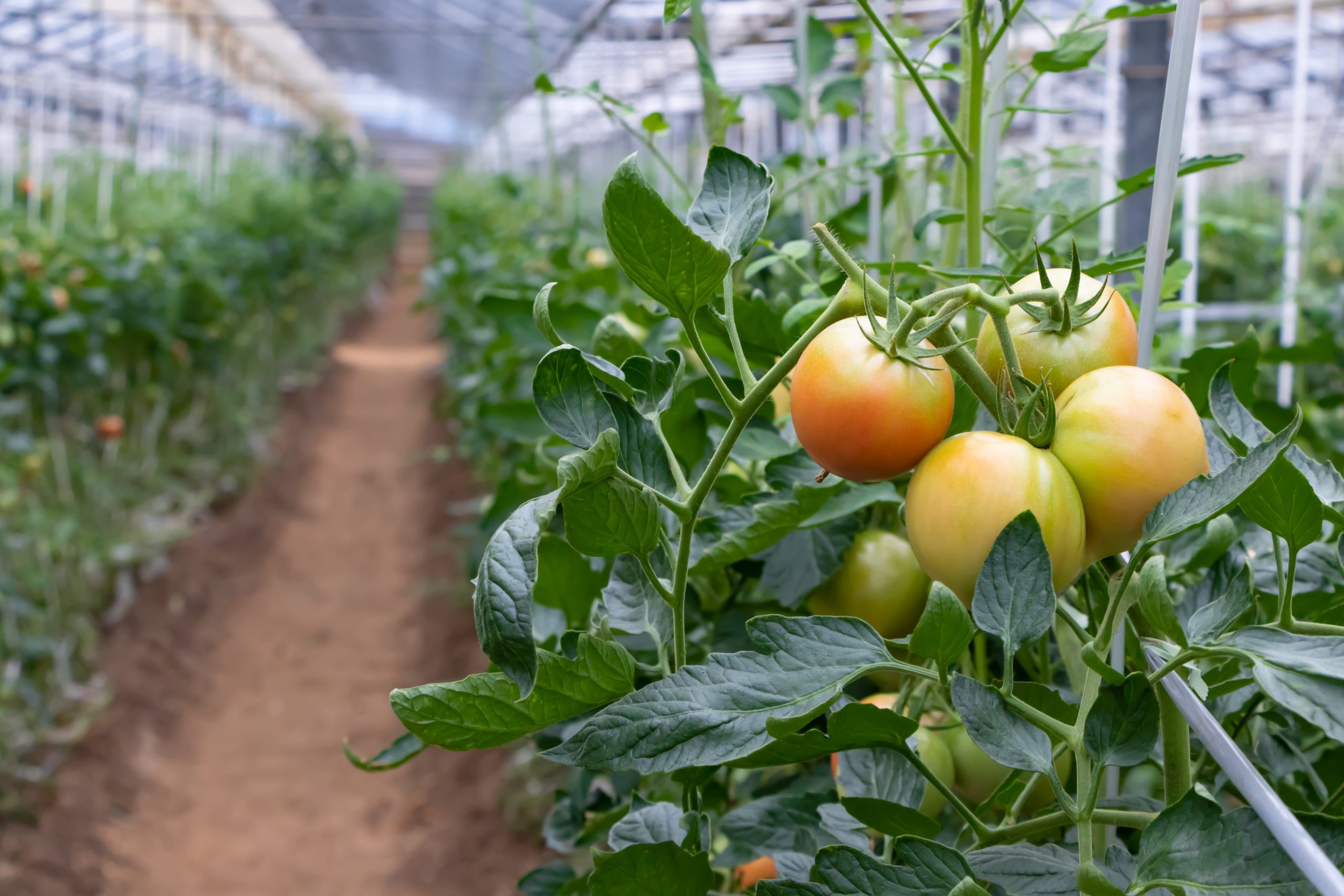
Smith says natural gas remains a foundational input in greenhouse production of cucumbers, peppers, and tomatoes—currently the most popular crops. Maintaining consistent indoor temperatures and humidity throughout the year requires a stable and reliable heating source, and natural gas is currently the only energy option capable of meeting these needs at the scale required for commercial greenhouse operations.
“Maintaining consistent indoor temperatures and humidity throughout the year requires a stable and reliable heating source, and natural gas is currently the only energy option capable of meeting these needs at the scale required for commercial greenhouse operations.”
Natural gas enables the deployment of advanced energy technologies such as the aforementioned combined heat and power (CHP) systems, too, says Smith. These systems allow growers to generate electricity on-site while capturing and reusing waste heat for greenhouse heating and climate control, significantly improving overall energy efficiency. In some cases, electricity generated through CHP can be supplied back to the grid, contributing to broader provincial electricity needs and enhancing system resilience.
Looking further ahead, Smith sees natural gas serving as a cornerstone upon which lower carbon solutions such as biogas integration and hydrogen blending can be applied to improve environmental performance. He also sees continued technological developments supporting the advancement of carbon capture solutions that recover carbon dioxide from combustion processes or directly from the air and deliver it back to crops for photosynthesis, further closing the production loop.
Until then, continued access to affordable and reliable natural gas, with appropriate cost certainty and pricing caps to protect essential food production, will remain critical to enabling the expansion of year-round greenhouse production and ensuring that Canadians continue to have access to domestically grown cucumbers, peppers, and tomatoes.