






Across Canada, many rural and Indigenous communities continue to face a basic challenge that most Canadians rarely think about: access to affordable and reliable energy.
In many communities, households still rely on propane, heating oil, electric resistance heating, or diesel for heat and power. These energy sources are often more expensive, more vulnerable to supply disruptions, and harder to maintain during periods of extreme cold. At the same time, many of these communities are located near existing natural gas infrastructure but remain unconnected because the economics of expansion do not work under current regulatory frameworks.
This represents both a challenge and an opportunity.
Canada already has one of the largest natural gas delivery systems in the world, with approximately 600,000 kilometres of transmission and distribution infrastructure delivering about 40% of the country’s energy needs. More than 20 million Canadians rely on natural gas every day to heat homes, schools, hospitals, businesses, and industrial facilities. In many cases, the infrastructure needed to serve nearby Indigenous and rural communities is already in the ground.
The issue is not whether the technology exists. It is whether the final gap can be closed to make projects viable.
The affordability challenge
Energy affordability remains a significant issue in many Indigenous and rural communities across Canada. According to Statistics Canada, 5.6% of Canadian households were considered energy poor in 2021, meaning they spent 10% or more of their after-tax income on household energy costs. For on-reserve households, that number was 12.9%, more than double the national average.
These pressures are compounded by the fact that many communities rely on higher-cost energy sources. In some provinces, electricity costs per unit of energy can be several times higher than natural gas. In Alberta, for example, electricity costs approximately $84.99 per gigajoule compared to $13.06 per gigajoule for natural gas. Similar cost differences exist in Ontario and Saskatchewan.
For households, these differences are not abstract. They directly affect monthly bills, financial stability, and quality of life. In some communities, heating costs can exceed $1,000 per month during winter periods, particularly where homes rely on propane or electric resistance heating.
The issue extends beyond households. Reliable and affordable energy is also necessary for economic development. It is difficult to attract businesses, support local manufacturing, develop food production facilities, or expand community infrastructure when energy costs are high and unpredictable.
Affordable energy is not simply a household issue. It is foundational infrastructure for community growth.
The infrastructure gap
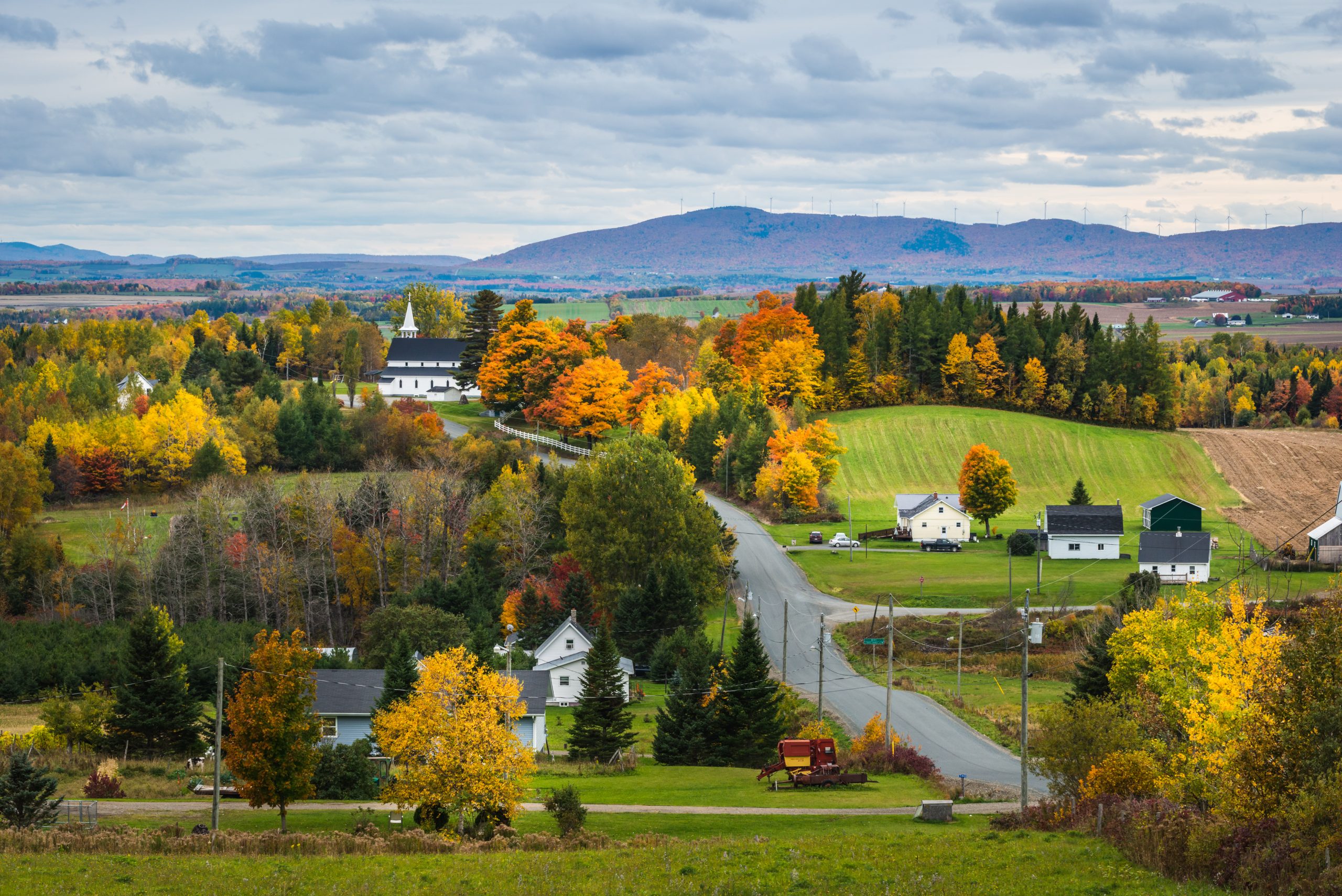
One of the most important realities shaping this issue is that many communities are already close to natural gas systems.
Utilities across Canada have identified projects where Indigenous and rural communities are located near existing infrastructure but remain unserved because expansion projects fail regulatory economic tests. These tests are designed to ensure that utility expansions can recover their costs from future customers over a defined period.
The logic behind these rules is understandable. Utilities are regulated monopolies, and regulators are responsible for protecting existing ratepayers from subsidizing uneconomic expansion.
The challenge is that many rural and Indigenous projects come very close to meeting these requirements but still fail because of geography, lower customer density, or the upfront cost of extending infrastructure over longer distances.
In practice, this means projects that could significantly reduce household energy costs and improve reliability are often unable to proceed because they fall short of strict cost recovery thresholds.
The result is a structural gap between communities that are technically reachable and communities that are economically connectable under current rules.
Reliability matters too
Affordability is only one part of the discussion. Reliability and energy security are equally important, particularly in northern and rural regions where communities may depend on delivered fuels.
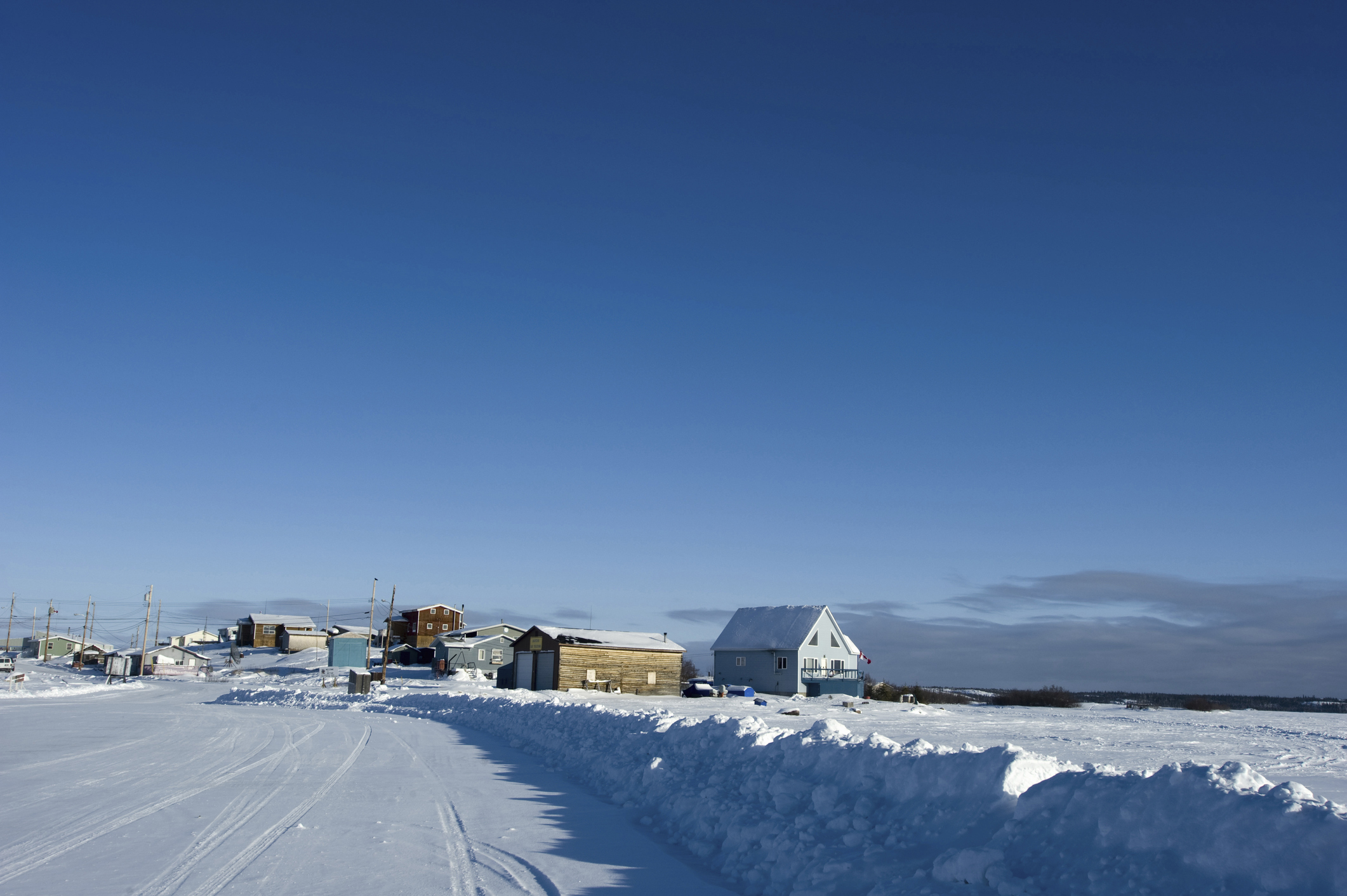
Propane and heating oil systems rely on transportation networks that can be affected by weather, road conditions, and supply disruptions. In remote areas, winter roads and seasonal access can create additional challenges. During periods of extreme cold, these risks become even more important.
Pipeline-delivered natural gas offers a different model. Once infrastructure is in place, energy can be delivered continuously through an underground network that is less exposed to transportation disruptions and severe weather events.
For communities, this can improve resilience while reducing dependence on trucked-in fuel deliveries.
This is particularly important for critical infrastructure such as schools, community centres, healthcare facilities, wastewater systems, and emergency shelters, all of which depend on stable and reliable energy systems to operate safely year-round.
Canadian examples already exist
Canada already has examples showing how natural gas expansion can improve affordability and support local economic development.
In Red Lake, Ontario, a natural gas expansion project supported by federal funding helped extend service to the community. Residential customers who switched from higher-cost fuels reportedly reduced their heating costs by between 50% and 70%.
In Saskatchewan, the connection of Zagime Anishinabek First Nation helped support greenhouse development and local economic activity. Reliable energy access enabled infrastructure that would have been difficult to operate economically using higher-cost fuels.
In British Columbia, Pacific Northern Gas and Indigenous communities have explored opportunities that go beyond household heating alone. One example involves the Kitselas First Nation, where existing natural gas infrastructure could support greenhouse operations, community facilities, and future wastewater infrastructure through local heat and power generation.
These examples demonstrate that natural gas access is not only about lowering household bills. It can also help enable long-term economic development and community infrastructure.
The role of government
A key point often missed in discussions about rural energy infrastructure is that many projects do not fail because there is no demand or because utilities are unwilling to build them.
In many cases, projects fail because they are only partially uneconomic.
Utilities and communities may already be prepared to proceed. Infrastructure routes may already be identified. Capital may already be available. But the remaining portion of the project cost that cannot be recovered through regulated rates prevents construction from moving forward.
This creates a role for targeted public policy.
Canada has already recognized the importance of enabling infrastructure through programs such as the Universal Broadband Fund, which treats internet access as a prerequisite for economic participation in rural and remote communities.
Energy infrastructure should be viewed through a similar lens.
Reliable and affordable energy enables households to lower costs, businesses to operate competitively, and communities to pursue economic growth. In many cases, relatively modest public contributions could help close the final funding gap needed to make projects viable.
Importantly, this does not require replacing provincial regulatory systems or overriding utility oversight. Existing regulatory frameworks would continue to determine project viability and customer protections. Federal support could instead be designed to complement those systems by helping address the portions of project cost that current economic tests cannot accommodate.
Looking forward
Canada is increasingly focused on affordability, energy security, economic growth, and infrastructure development. Rural and Indigenous energy access sits at the intersection of all four priorities.
Natural gas infrastructure already plays a central role in Canada’s energy system, providing reliable and affordable energy to millions of Canadians every day. Extending that access to nearby Indigenous and rural communities represents a practical opportunity to improve affordability and reliability while supporting long-term community growth.
The projects already identified across the country demonstrate that this is not a theoretical discussion. Communities, utilities, and infrastructure pathways already exist. What remains is finding ways to bridge the final gap that prevents projects from proceeding.
For many Indigenous and rural communities, access to affordable and reliable energy is not simply about heat. It is about economic participation, resilience, and the ability to build for the future.