






What role, if any, does energy policy play in the outcome of the upcoming provincial election in Quebec, and to what extent might energy policy shape the next federal election, should one be called within the next 12 months?

Energy policy isn’t just energy policy. Not anymore. Not in the aftermath of Donald Trump’s year-long assault on the global trading system and his more recent war on Iran. The sheer destructive force of this man’s foreign policy has propelled energy from an evergreen topic to the sole, dominating focus of discussion. In all world capitals and around every kitchen table.
Will the Strait of Hormuz ever be cleared? Or ever again be navigable? How long will the price of gas and groceries remain high? How structural are the inflationary effects? Will western nations soon experience the terror of stagflation – with growth stalling, prices jumping and rates rising?
Energy – its cost, its supply and its security – is reshaping the world economy. As a consequence, it is also reshaping our politics. No jurisdiction, large or small, will escape its effects.
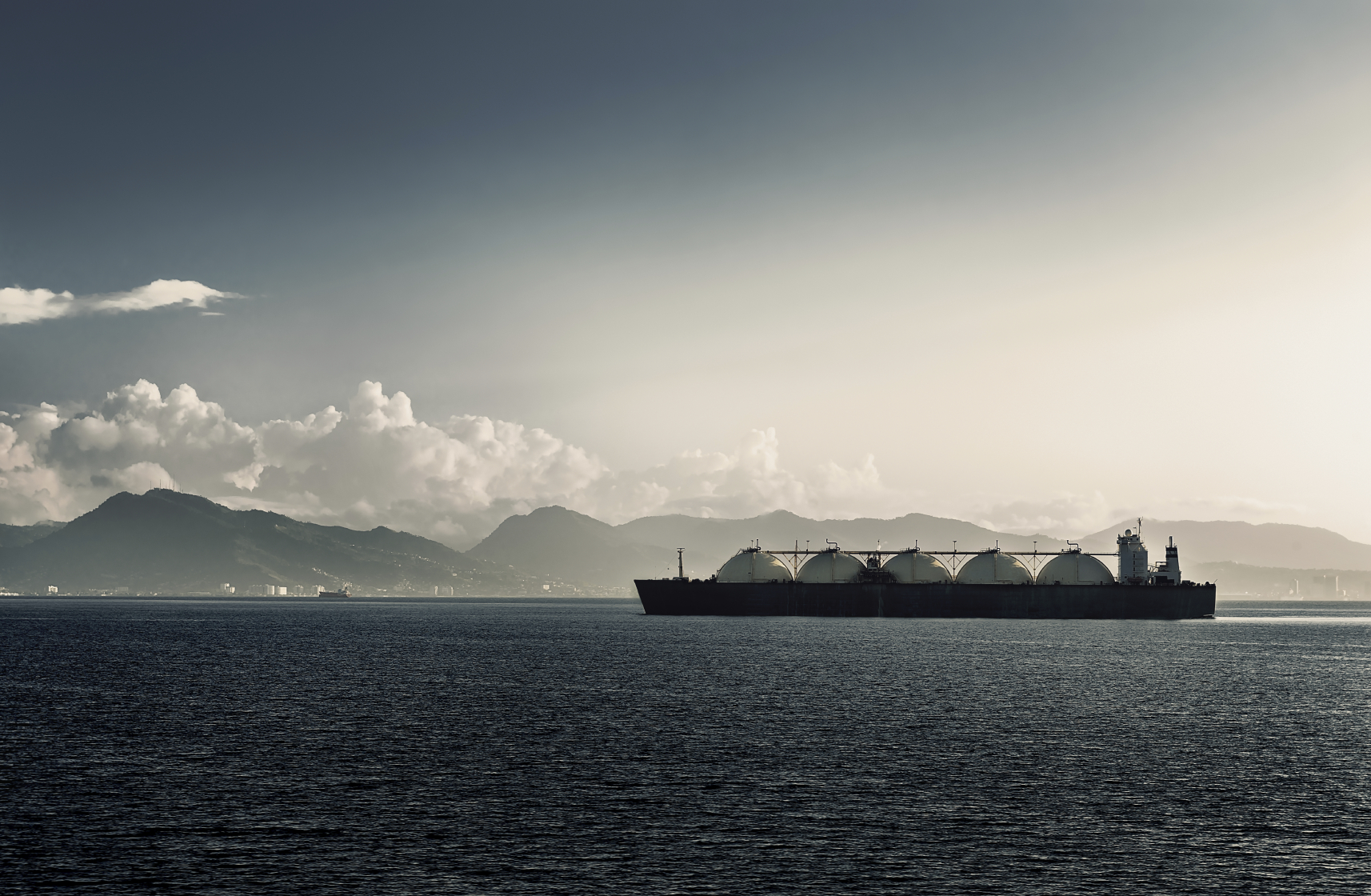
“Energy – its cost, its supply and its security – is reshaping the world economy.”
For Canada that means a couple things. First, fears around energy, cost-of-living and Trump’s trade tactics have conjured a war-time mentality among voters. This peculiar combination of economic anxiety and national solidarity explain so much about our inexplicable politics of late. Carney’s rise in the polls is sustained by people’s sense that he is best suited to lead Canada against a hostile US administration. This come-together psychology also explains how he is able to attract floor crossers from both the NDP and Conservatives – and sweep by-elections to assemble a majority in the House of Commons.
Second, our priorities are being reset with energy at its center. Suddenly, support for pipelines and LNG facilities are soaring. Asian nations, shocked by instability Trump triggered in the Gulf will only double and triple their request of Canada to feed their natural gas and other energy needs. Canadians see this as a lifeline and are lending their support with high approval ratings for the government’s priorities.
Even in Quebec, a jurisdiction that has traditionally rejected talk of pipelines, is changing its attitude. Here too, the dual effect of Trump’s attacks and the world’s energy insecurity are on display. This fall’s election will, at first glance, be driven by the age-old theme of ‘time for a change’ as voters prepare to end the CAQ’s long run in office even with the arrival of a new premier. But look closer and you will see the same broader effects at play. The external threat of Trump is souring voters on the PQ’s promise of a referendum on separation. And energy proposals, like a renewed Energy East initiative, are suddenly seen as viable. Even desirable. The takeaway is unmistakable: even closeted by its own culture, language and political history, Quebec’s election will be buffeted by these same global forces.
In many respects, the lesson of the past year hinges almost entirely on energy policy. From wars to geo-politics; from gas prices to polling results: access to affordable, secure sources of energy eclipse all else. When times are good and energy is abundant, economies grow and political debates widen. But when the world darkens and energy access is threatened, economies shrink and political argument narrows. Energy isn’t just an important issue right now. It is THE issue.
Scott Reid was director of communications to former prime minister Paul Martin, and is the co-founder of Feschuk.Reid.
What role, if any, does energy policy play in the outcome of the upcoming provincial election in Quebec, and to what extent might energy policy shape the next federal election, should one be called within the next 12 months?

As geopolitical tensions continue to threaten supply chains and send energy prices spiralling, our allies in Europe and Asia are desperate for stable, democratic energy partners. Canada has exactly what the world wants: abundant energy reserves. Yet, our resources remain trapped in a regulatory and ideological web of our own making.
On the federal stage, we have recently seen some positive signals from the government, such as the Memorandum of Understanding (MOU) between Ottawa and the Government of Alberta. However, a change in tone is not the same as a change in policy. The anti-production machinery built over the past decade remains largely intact. Suspending some of these policies may be a step in the right direction, but suspension alone will not rebuild trust with industry or provide confidence to our allies abroad. Only their outright removal will provide the certainty needed to demonstrate that the Carney government is serious about growing Canada’s oil and gas production.
One year into Prime Minister Carney’s mandate, the legacy of a decade of anti-energy policy still dominates. Voices from the anti-energy Trudeau era – including those who fought for policies such as Bill C-69, the “anti-pipeline act”, the tanker ban, the Inefficient Fossil Fuel Subsidies (IFFS) policy, the industrial carbon pricing regime and the punitive emissions cap – remain around the decision-making table. Actions speak louder than words. In this case, too little action has been taken to allow for the growth of production and exports that the energy sector needs.
That uncertainty carries a real economic cost. Investment in new oil and gas assets has fallen by roughly 23 per cent. Over the past decade, Canada’s net outflow of investment exceeded $1 trillion – the most significant capital exodus in modern Canadian history. Money flows to certainty, and Canada offers anything but. At the same time, the United States is outcompeting Canada on fiscal policy. Washington has restored 100 per cent bonus depreciation for qualifying oil and gas property, while Canada still offers no comparable immediate expensing for major energy investments. If Ottawa is serious about attracting capital and expanding production, it must remove these policy barriers and offer a tax and investment framework that can compete.
Quebec now faces its own energy reality. In Quebec, the province is no longer swimming in the energy surplus it once enjoyed. After decades of energy abundance, Hydro-Québec signalled earlier this year that it will run out of unallocated power by the end of next year. Quebec currently has a backlog of industrial projects requesting over 20,000 megawatts of power – more than the capacity of the entire James Bay project. As the province looks to cap rate hikes at 3 per cent, it cannot on wind and solar alone to meet its energy needs. Quebec shale is estimated to contain up to 20 trillion cubic feet of recoverable natural gas. That is enough to power the province for decades and could allow Quebec to become a net exporter to European markets, creating good-paying jobs and strengthening its economic and energy security.
In the decade that Canada and Quebec have debated a single East Coast LNG terminal, the U.S. has become the world’s largest LNG exporter, with seven operational terminals and five additional terminals under construction. On current projections, Canada’s LNG growth will come only from projects already underway, with no new greenfield terminals expected. To reach Europe today, Canadian gas must move through U.S. facilities, sending jobs and investment outside the country instead of to Quebec and Atlantic Canada.
Canadians expect our governments to deliver tangible results that support economic growth and good-paying jobs. Yet, one year into the Carney government’s mandate, no new pipeline has been approved, and the infrastructure needed to get Canadian energy to market has not advanced.
That lack of action is now being reflected in industry sentiment. According to ATB Capital Markets’ Cormark survey, less than half of respondents said it was probable or highly probable that a pipeline project would be added to the national-interest list. Industry is still waiting for proof that Ottawa is prepared to move from rhetoric to results.
The time for “frameworks” and “understandings” has expired. The world is waiting for Canada to deliver. If we fail to build the pipelines, natural gas capacity and the supporting infrastructure needed to move our resources to market, Canada will continue to lose investment. As long as energy prices remain high, voters will support pro-energy policies that lower costs and strengthen energy security at home and abroad. That is how we grow the economy and deliver prosperity for all Canadians. With a majority government now secured, the Carney government has no excuse not to move forward quickly. The question now is whether it will.
“As long as energy prices remain high, voters will support pro-energy policies that lower costs and strengthen energy security at home and abroad.”
Robin Guy is a Vice President with Crestview Strategy in Ottawa. He brings nearly 20 years of public affairs experience, including over ten years serving as a political staffer for several cabinet ministers during the Harper Government.
What role, if any, does energy policy play in the outcome of the upcoming provincial election in Quebec, and to what extent might energy policy shape the next federal election, should one be called within the next 12 months?

In 2026, the world’s energy map has been redrawn, fast. Trump’s trade war upended global supply chains, and his military strike on Iran has disrupted the world’s most critical energy artery. Gas prices are rising. And Canada’s premiers and the federal government are fielding calls from European and Asian allies who want stable, democratic energy partners. Pipeline politics, long dormant, are back on the table. Energy has gone from a policy file to the defining political question of the moment, including in the upcoming election in “la belle province” this fall.
Quebec’s political history is inextricably linked to its energy choices, starting with the famous “Maîtres chez nous” campaign of Liberal Jean Lesage in 1962, which led to the nationalization of electricity and the creation of Hydro-Québec. That remains true today. In the upcoming Quebec election, energy policy will matter, but mainly as a proxy for the affordability crisis and economic sovereignty. Since the Coalition Avenir Québec took office, Hydro-Québec has gone from a surplus of 40 TWh to a structural shortage. A $200 billion investment plan aims to meet Quebec’s estimated need for more than 100 TWh. The gamble on the battery industry has backfired, and the postponement of Quebec’s energy transition to the post-Trump era has set the stage.
Affordability is now central to the political debate in Quebec, as households face rising costs, making energy supply and pricing immediate issues. In the leadership race to replace François Legault, relief at the pump was much discussed, and Premier Christine Fréchette has pledged to return additional provincial revenues from QST and royalties directly to Quebec motorists, with targeted measures aimed at supporting the middle class, which have been affected by prices busting $2.00 per liter.
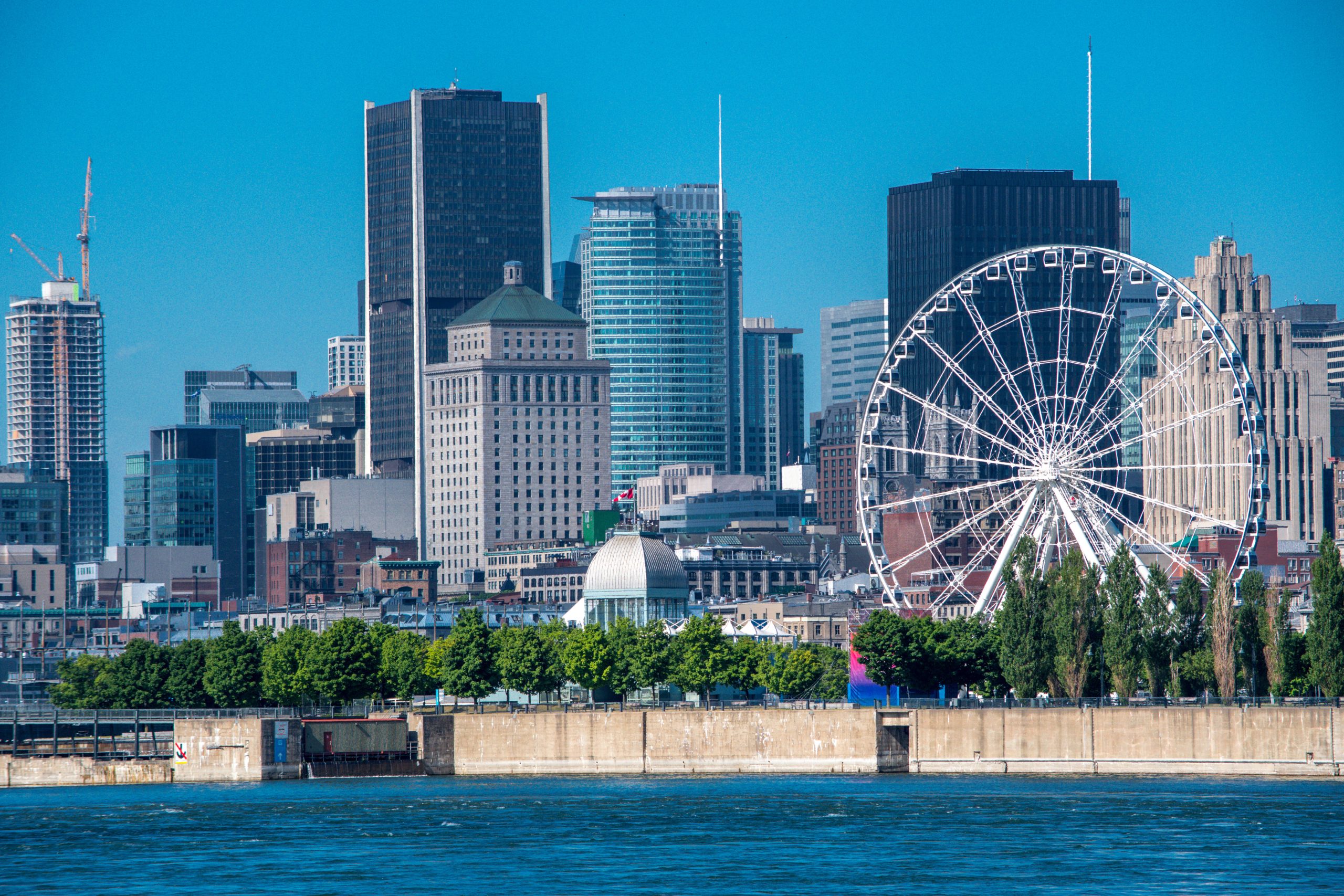
“Affordability is now central to the political debate in Quebec, as households face rising costs…”
With the CAQ struggling in the polls, voters are turning their attention to the more traditional Parti Québécois – Parti libéral du Québec rivalry. The PQ closely links energy to its sovereignty project and the party firmly opposes what it characterizes as the “quiet privatization” of electricity pushed by the CAQ as part of its energy reform. The PLQ shares a similar view. What remains unclear is how either party will meet rising demand while keeping electricity affordable. The PQ is showing some flexibility on future pipelines, and the Liberals are attempting to reposition themselves as a “green economic” alternative. Meanwhile, the up-and-coming Conservatives are pledging to abolish the carbon cap-and-trade market, a move supported by more than half of Quebec voters.
Affordability was also a big part of the narrative ahead of the last federal campaign. Mark Carney’s abolition of the carbon tax effectively neutralized what was previously the Conservatives’ most powerful attack. But the cost of energy has kept rising alongside the general cost of living, which remains the Liberals’ Achilles’ heel on the economic front ahead of the next election, whenever it comes. Meanwhile, Mark Carney has given the green light to a new oil pipeline from Alberta to British Columbia. In doing so, Carney has exposed his left flank, which New Democratic Party leader Avi Lewis is keen to capitalize on. While not without political risk, this positioning allows the NDP to distinguish itself from both major parties by opposing fossil fuel expansion and emphasizing public investment, energy sovereignty, and affordability. In that sense, energy policy may not be the defining ballot question in the next federal election, but it will shape the terrain on which that election is fought. As in Quebec, the debate is less about abstract climate targets and more about who controls energy, who benefits from it, and who pays.
Kathleen Monk is Principal Owner at Monk + Associates, an independent public affairs firm. She appears regularly on CBC News Network’s Power and Politics and sits on the board of CIVIX, a non-partisan charity dedicated to building engaged citizens.